Blog

  • How to create a perfect study plan

    How to create a perfect study plan

    As an electrical engineering student – or any student really – having a good study plan is key. These study plans can vary quite a bit depending on your major and experience. Yes, experience. It took me years worth of finals in university to perfect my method to create the perfect plan (I even took a course on this). My method is tailored to engineering or science courses and might not work for other classes. If you are curious as to how to create the perfect study plan, then just keep reading.

    Step 1: Make a list of all your materials

    The first step is to make lists containing all the materials you have for that course. This includes books, lecture notes, handouts, exercises, homework assignments, and practice exams. I like to study by solving a lot of practice problems. If the professor didn’t provide enough problems I like to search for some practice book on Amazon. I really like the Schaum’s Outline series.

    a stack of books representing the collecting of materials for the study plan

    Step 2: Estimate the time you need

    The next step is to put a time on each task you have to deal with. When in doubt always round up or give it an extra hour. How long do you need to read a page and take notes on it? How long do you need to solve a certain kind of problem? A good guess for practice exams is to estimate double the time you have on the actual exam.

    Step 3: Plan backward

    To make sure you have enough time to study leading up to the exam you have to plan backward. If I have enough time I like to schedule the two days leading up to the exam as buffer days. Even if you are done with studying on time you can relax before the exam or review topics you are not fully comfortable with, yet. Planning backward gives you an idea when you have to start studying.

    planning woman

    Step 4: Don’t forget to schedule breaks and buffer time

    This is one of the most important steps and where most people – like me for the longest time – screw up. You sadly can’t stay truly focused for long. If you want to succeed with your study plan you have to schedule a sufficient amount of break time and buffer time. It is recommended to schedule at least 30% of your time estimate as a buffer on top. No matter how good your estimates are there is so much that can go wrong. You can get sick, there might be that party that you just have to go to, or you just can’t be bothered to study on some days.

    Step 5: Be honest with yourself

    The fifth step is probably the most important one of them all. You have to be absolutely honest with yourself. The worst mistakes you can make while creating your study plan is to overestimate how many hours to study a day you can actually spare. This still happens to me more often than I’d like to admit.

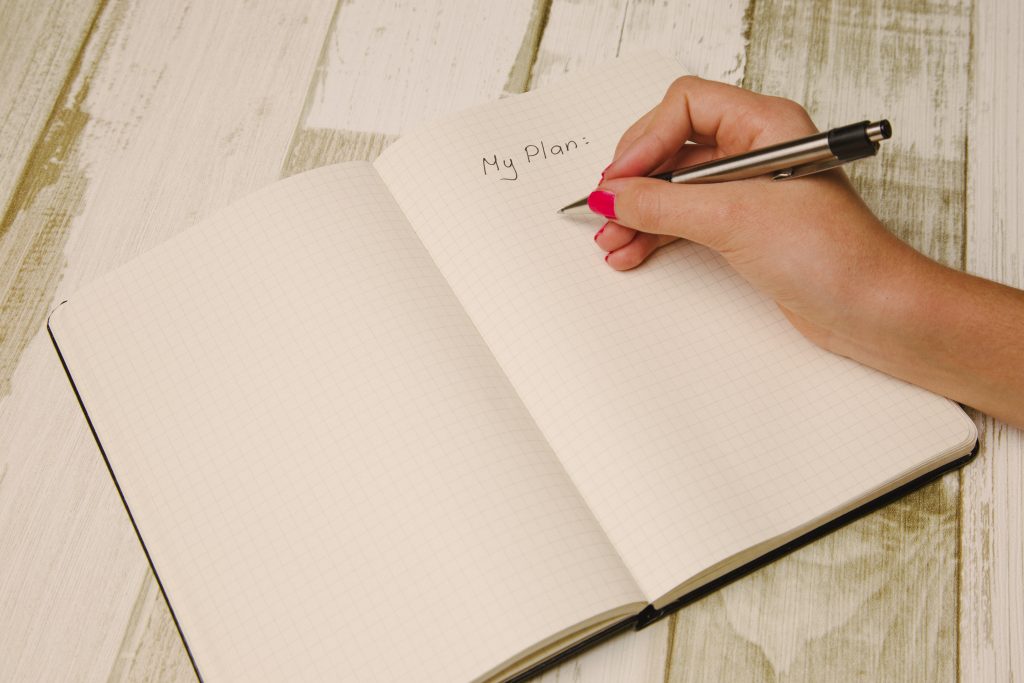
    planner for the perfect study plan

    Step 6: The actual planning

    Step number six is the most obvious and easiest step: The actual planning. I always like to print out monthly views so I have everything at a glance before I write into my nice planner. Just pin the overview over your desk where you study so it’s always in sight.

    Step 7: Don’t get discouraged

    The last and finals step: Don’t get discouraged if something doesn’t go as planned!! This is what we added the buffers for. I know that life as an engineering or science mayor can be hard, but with a solid plan, you can do it.

    person planning


    All pictures are from pexels.

    Looking further ahead than the next finals? Read what I learned from Sophia Amoruso’s #GIRLBOSS.

    Feel free to share this post on social media, it means a lot to me 🙂

  • How to fight winter blues

    How to fight winter blues

    At the moment we are dealing with a particularly dark and unpleasant winter, at least in Germany. The constant cold, gloominess, and leafless trees can really get you down, causing winter blues. To help you fight the inevitable winter blues I collected some ideas for those, who can’t just jet off to the Caribbean:

    Cozy up

    The easiest way to fight the winter blues or even depression that comes with the muddy mess that is the outside world during the winter month (at least where I live) is to cozy up. Go treat yourself to a nice shopping trip and get your hands on some cozy sweaters, over-knee-socks, and fluffy sweatpants. There is nothing better than to snuggle up on the sofa or, even better, in front of the fireplace and read a book you’ve been meaning to finish for months now. But isn’t there something missing? Right. Hot beverages always make me happy, during the winter month I love to make myself a hot chocolate in the evening, especially if I had a bad day. Maybe it is a childhood thing, but it always lightens me up. And who doesn’t love chocolate?

    Look at the sun

    Yes, this might sound crazy, but it is proven that looking (not directly, obvi) at the sun can help fight depression. This is sometimes not as easy when the sun is hidden by all those thick, grey clouds. Just looking up at noon can do wonders. Just try it tomorrow.

    Catch up on your reading

    Winter is the perfect time to tackle all the books you bought months ago and never got around to read. Since the outside weather makes longer outdoor activities unappealing I spend the majority of my spare time indoors and reading makes me feel way more productive than just lying around binge watching Friends on Netflix. (That still happens way too often)

    winter blues - reading

    Work out

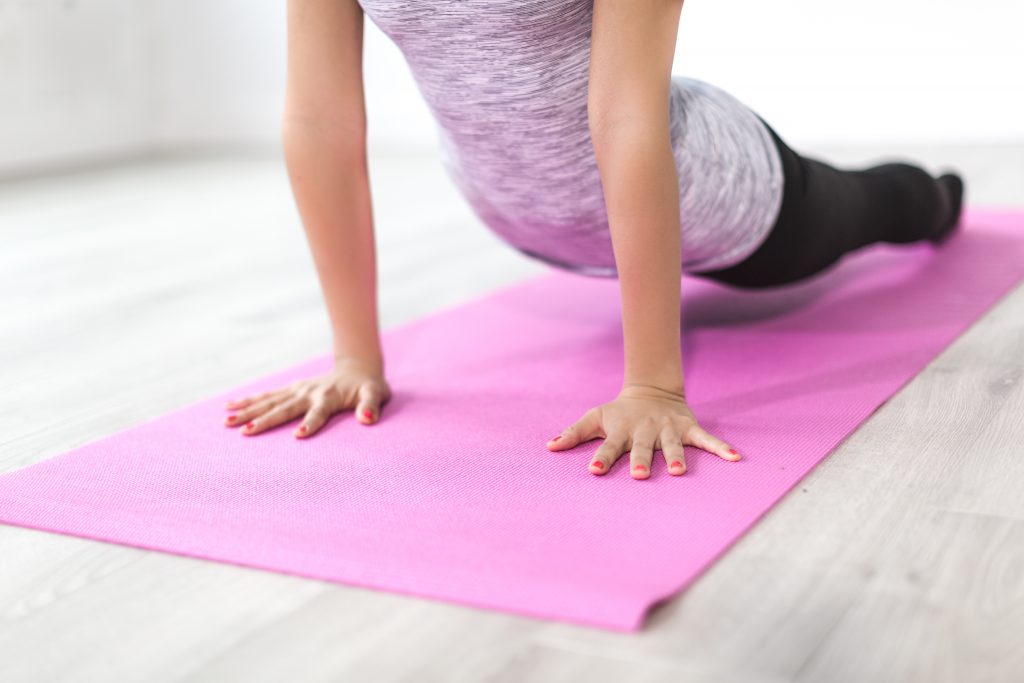
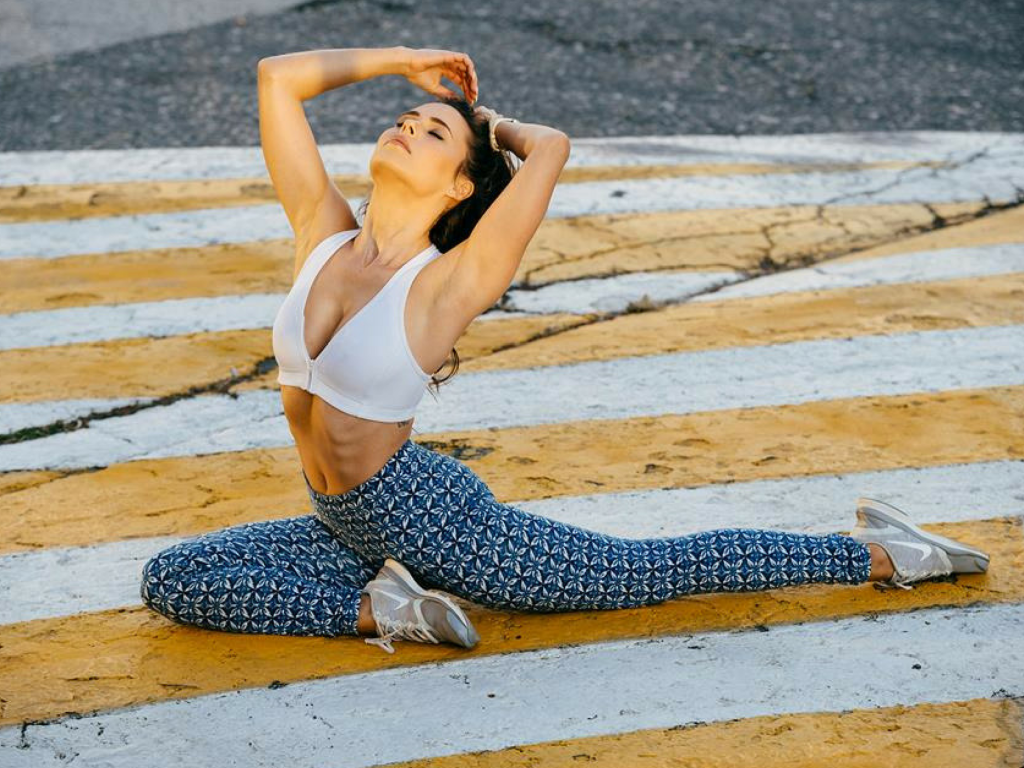
    You probably heard this a million times before, but working out can lift your mood significantly. Your body sets free endorphins which make you feel happy and energized. Working out is also great to get rid of all those hot chocolates and treats. Dancing, yoga, running on a treadmill and working out at a gym are perfect for workouts in the winter. Sometimes all you need can also be a short walk in the crisp air all bundled up in your favorite coat at mittens.

    winter blues: woman doing yoga

    Meet friends at a cozy café

    Cozy chairs, delicious pastries, the warm smell of coffee in the air… What more can you ask for? I find that chilly temperatures make coffeehouses feel even cozier and more inviting than usual. A perfect way to fight winter blues: Invite a friend out for a coffee date and catch up or go study at Starbucks together. That way you are not alone and still somewhat productive.

    Blast some happy tunes

    This one is as easy as it is effective. Music can have a huge impact on your mood. So make a happy playlist and listen to it on your way to work or school, or just have a little dance party at home and the winter blues is gone.

    women with earphones listening to music - winter blues

    Plan a vacation

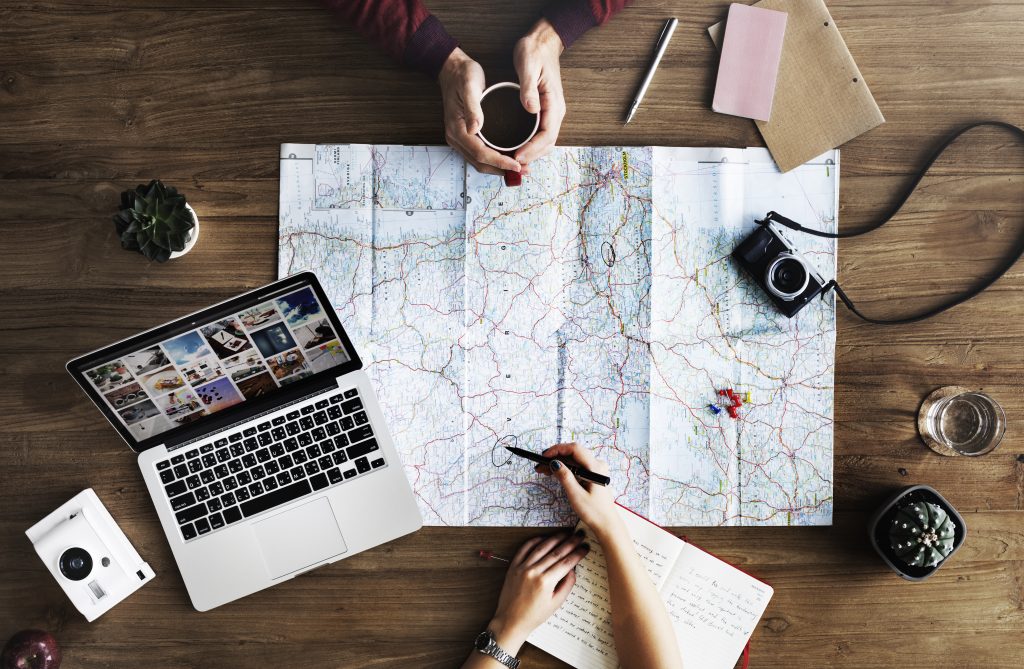
    If the cold weather has you dreaming about sunny beaches and blue swimming pools, turn that dream into action. Plan a great vacation you can get excited about. It doesn’t have to be a super expensive one, just something on your bucket list that lets you escape your everyday life.

    winter blues - vacation


    Want some help planning your vacation? Here are some blog posts that might help you.

    All pictures from pexels.

  • Ultimate DSLR Beginner Essentials

    Ultimate DSLR Beginner Essentials

    Photography is a great way of expressing yourself, or capturing a place, a special moment, or an emotion. To get the perfect shot you need the right equipment, basic photography skills, and yes, often a bit of luck. In my opinion DSLR cameras make the best pictures, even when you’re just starting out. For a Photography newbie, this all can be overwhelming. Especially finding the right beginners essentials. This guide is meant for absolute beginners that have no experience with DSLR photography and are looking for a good starter kit. Please be advised that I am not a professional photographer and I am merely sharing my personal experiences, or what friends shared with me about their photography journeys.

    Finding the Right Camera

    When you are just starting out and you are not sure if Photography is going to work for you, splurging on an expensive camera is not the best idea. Unless you have too much money. In that case, go ahead and just buy the most expensive camera on the market. For us mere mortals though there are beginner options:

    • Canon 1300D
    • Nikon D3400
    • Sony SLT-A68

    All of these models cost between ca. $400-500 and usually are available in starter bundles with a lens. I personally am a big Canon fan and own a four-year-old Canon 1200D, which is the predecessor of the 1300D, but a friend of mine swears by her Nikon D3100 (a predecessor of the D3400, respectively). The most expensive of the three is the Sony camera.

    Finding the Right Lens

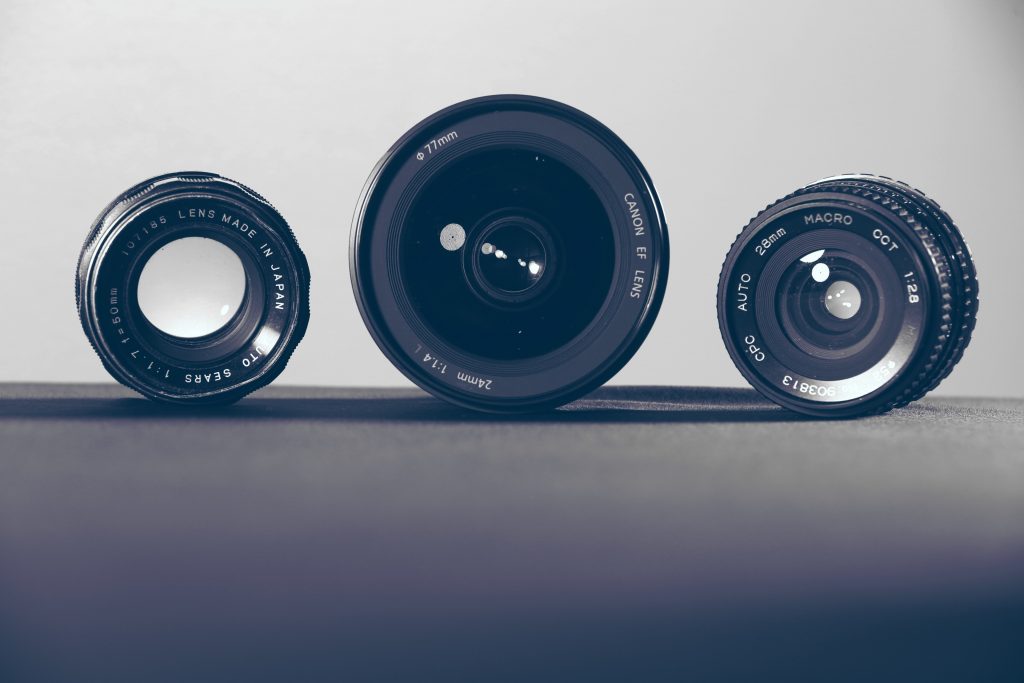
    A great advantage of shooting with a DSLR camera are the exchangeable lenses. But which lens is the right one to start with? Well, that depends on what kind of photography you want to do. Lenses with fixed focal lengths are good when you are going for that famous blurry background look; also known as Bokeh. If that is your main goal, look for a lens that can achieve a low aperture number. Take into account that you can’t zoom with lenses with fixed focal length.

    In case you want to experiment a little or want to do mainly landscape photography, opt for a lens where you can zoom. As I mentioned before, camera bodies are often available in a starter bundle with a lens. The most common lens is an 18-55mm lens. I started with that lens and it served me well for years now.

    Different styles of photography call for different lenses. The variety of lenses that are available to you is huge. Lenses for your DSLR are offered by the manufacturer of your camera and by other companies. Sigma is a good brand for lenses and there are slightly cheaper than the originals by Sony, Canon, or Nikon.

    DSLR beginner essentials: lenses

    Find the Right Camera Bag

    Finding the camera bag that is right for you and your needs depends on a couple of factors: How much equipment do you want to fit in there? Backpack or shoulder bag? Is the bag just for your equipment or do you just need a camera compartment in the multi-purpose bag? Does it have to be stylish or just practical or both?

    The best advice for finding the right bag I can give you is: Do your research. Only you know what’s right for you.

    To help you with your search, here is some inspiration:

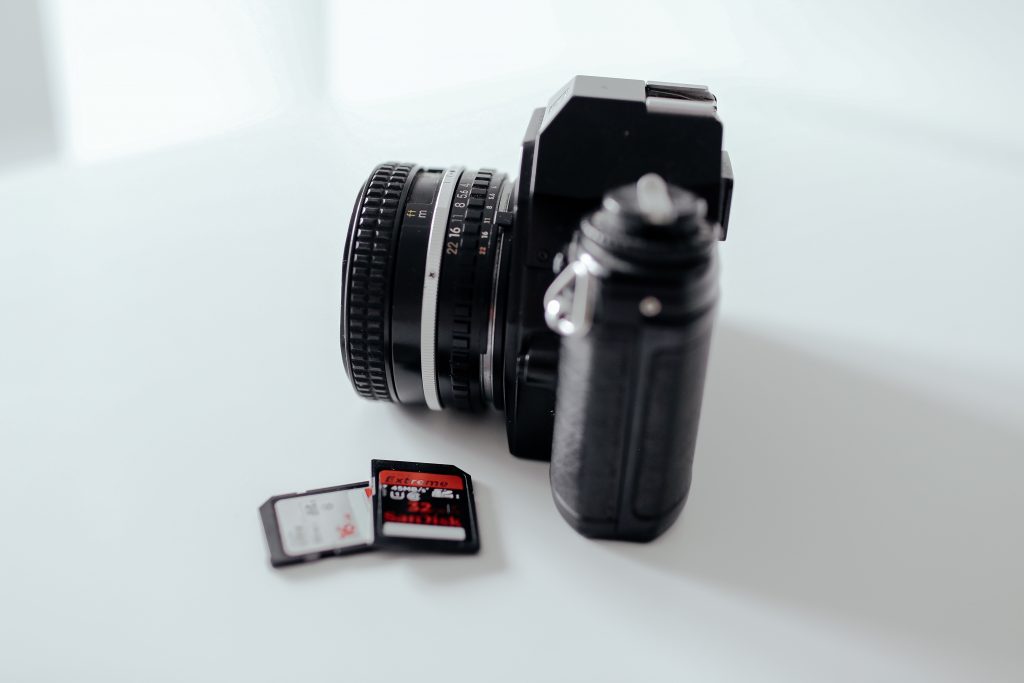
    SD Cards

    The last absolute essential is an SD card to store all your great shots. Most cameras have no to very little internal storage. I recommend an SD card with at least 8 GB storage.

    DSLR beginner essentials: sd card

    Bonus Equipment

    If you still have some money left, here is a list of bonus items that come in handy as beginner photographer:

    Spare Battery

    Spare Batteries are only an essential if you plan on filming videos with your DSLR or use the flash a lot. It also is a must when you go off the power grid and have no way to charge your batteries.

    Photo Editing Software

    There are endless possibilities to optimize and retouch your pictures with computer software. Other programs let you add special effects, make collages or create fake pictures. I think the most popular programs to process photos are Photoshop and Lightroom by Adobe. These two have one big disadvantage: They are extremely expensive. Lucky for us, there are free alternatives that can almost keep up with the paid competition. GIMP is a free alternative to Photoshop and Raw Therapee is an alternative to Lightroom. Tutorials on how to efficiently use GIMP and Raw Therapee can be found on YouTube.

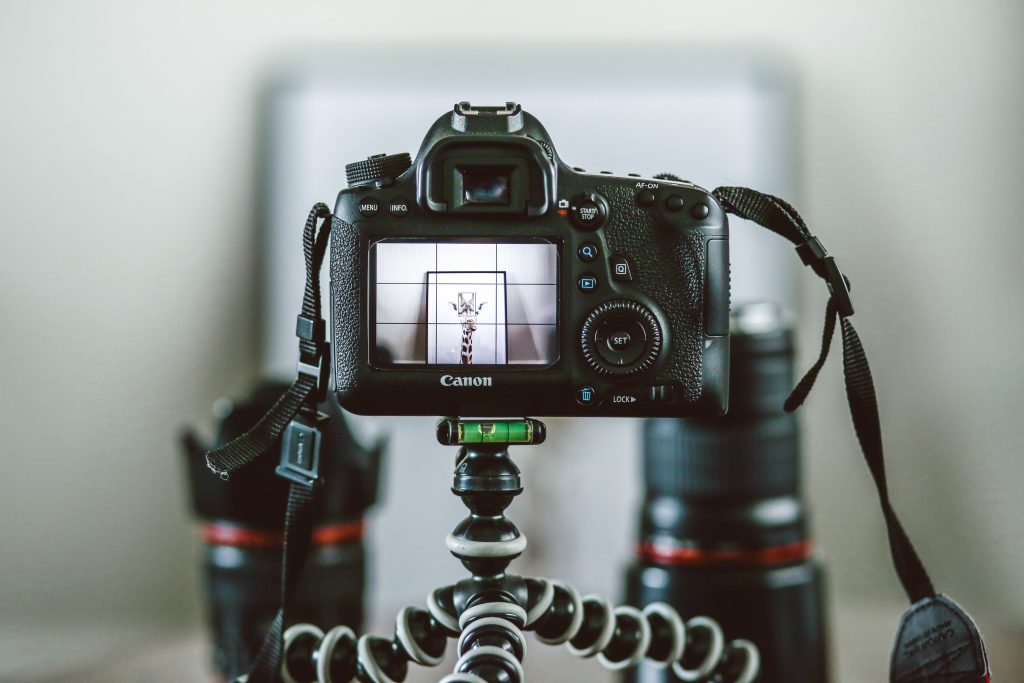
    Tripod

    When you plan on working with slow shutter speeds a tripod is also a must. This can even happen in automatic mode, for example with night shots. Knockoffs of the GorillaPod tripods are fairly cheap and small, making them a perfect tripod to start with.

    DSLR beginner essentials: tripod


    All pictures apart from camera and camera bag pictures are from unsplash.

  • What I Learned From #GirlBoss

    What I Learned From #GirlBoss

    #GirlBoss by Sophia Amoruso is still one of the most popular books right now. There is a lot to learn about adulting and entrepreneurship. Sophia’s storytelling is entertaining, honest and relatable. Up front, I want to clear up some common misconceptions about that famous book. First, #GirlBoss doesn’t teach you how to build your own empire. Sophia Amoruso shares her personal story and what worked for her. Yes, she shares some advice here and there, but everybody is different. Following along all her steps would contradict the whole message of the book. Given that, here are the 10 lessons Sophia’s book taught me:
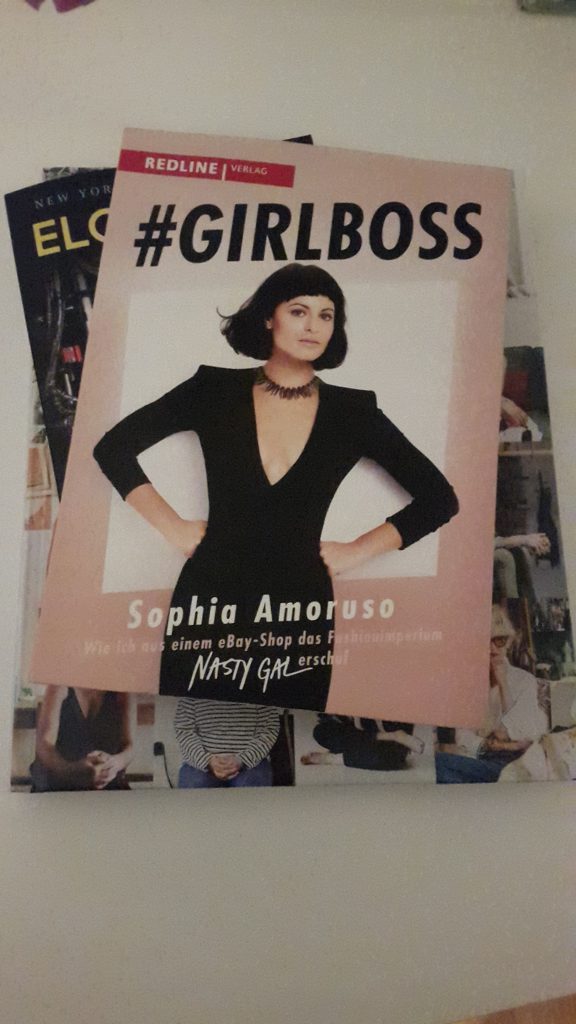
     

    A picture of Sophia Amoruso's book #GIRLBOSS stacked on top of two other books.


    Number 1 : There is not just one right way to succeed in life


    When you read #GirlBoss, the first thing you notice about Sophia is, that she doesn’t care for the “conventional” way to do pretty much anything. School is not really her thing: No room for personality. Social conventions? Not her thing. Rules? Rules are made to be broken. Quitting school might sound extreme to some people, I included and I’ll be the last person to tell you to quit school. School is important, especially if you want to find decent employment. If you want to be your own boss, though, there are a lot of niches where no one really cares about degrees. They care about the quality of your work. For example, if you are good at coding, freelance web design just might be the job for you. You will obviously need some of the basic skills, that they teach you in school. But when it comes to coding itself, you don’t need a degree. There is a lot you can teach yourself or you can simply ask your friends. Chances are, that they all have different talents and knowledge in different fields. Sophia, for example, had a lot to learn about marketing and so she taught herself. Skillshare is a great way to learn some new skills from the comfort of your home.

     

    picture of a GIRLBOSS holding a white mug. 'LIKE A BOSS' is written on the mug.


    Number 2 : Hard work really pays off


    Something that becomes very evident when reading Amoruso’s story, is that the more you work the more success you have. You probably have been told that before. It is common sense. If you don’t work enough you can’t get ahead in your career. It might be hard to see sometimes, especially if you have a fixed wage, but in the long run, your hard work and dedication will pay off. You might be promoted or you might just get a raise. Either way, you will be reimbursed for your efforts. If not, you might want to consider a career change.

     

    A GirlBoss holding a tablet


    Number 3 : Everybody has a talent


    Sophia discovered that she was good at selling vintage clothes because she had a talent for detail and costumer experience. Maybe you can cook a delightful three-course menu, or you are great at creating content for social media posts. Whatever your talent is, chances are you can monetize it or even make a career out of it. What is it you enjoy doing? Which of your hobbies or skills have the highest potential? Furthermore, it is always a good idea to cultivate a new hobby or skill. Maybe you discover a hidden talent. Websites like Skillshare or Udemy are the perfect place to learn something new. Even free resources like Youtube, blogs and social media posts offer a large variety of helpful tutorials and courses. If you invest some time, you might find valuable advice, especially for creative skills.


    Number 4 : Success takes time


    A common mistake when starting a new business is to expect instant success. It took Amoruso eight years to grow her company and that is quite fast. Success doesn’t come overnight. It takes time, a lot of effort and strategizing to build up a successful business. It will most certainly be frustrating at some points on your journey. Find out what works for you. Do your research: If you are lost when confronted with all the marketing and business lingo, hire a business coach to help you with those aspects of your business; look up websites of businesses already established in your field and consider the advice of others, so you don’t repeat their mistakes. Chances are you’re not the first person trying to build a business in your field.

     

    Busy, elegant woman (GirtlBoss) with headset.


    Number 5 : Use everything you have, even when it’s not much


    If you read #GirlBoss you already know that Sophia was broke when she started her eBay shop NastyGal. However, she somehow found a way to use the little she had and invest it all in building her shop. There are a lot of online businesses you can start with little to no budget. Social Media can be used for free marketing with the right strategy. Maybe you already have some of the equipment needed to excel in your field. When you are thinking of becoming a graphic designer you can start out with free alternatives to expensive software like Photoshop, Lightroom or good Video Editing Software. Just google it. There is Freeware out there that is in most aspects just as good as the premium versions, especially if you are just starting out.


    Number 6 : Think outside the box & Number : 7 stand out


    This might be the most important lesson for me personally. As an introvert I always dreaded confrontation. I followed the rules: How to behave, what to do, even what to look like. Obviously, this is no way to stand out, just doing what everybody does. In the adult world and often even as kids we are constantly competing with our peers. So, to stand out you must be different in some way. For NastyGal it was the attention to detail and the connection with the costumers that made it special. That might sound pretty basic, but apparently, it worked, otherwise it wouldn’t have been this successful. Think of your business or career. What can make you stand out? Is there something special I can offer? Don’t copy everything. Get inspired and then do your own thing.

     

    Woman writing something.


    Number 8 : Stand up for yourself


    Sophia Amoroso is incredibly independent. She doesn’t rely on others to get her what she wants or to figure out how to be successful. You shouldn’t either. The internet gives you so many resources to teach you almost anything yourself. Especially in entrepreneurship. But keep in mind, everything you get taught is theories or what worked for others. There is no guarantee that it will work for you. It is up to you to strategize and work to achieve your goals. Don’t get intimidated by established professionals. They started small once, too.


    Number 9 : Teach yourself


    Things change fast nowadays. To be able to compete you have to be constantly educating yourself. Take classes, read books and attend conventions and events. Developing certain skillsets will give you a huge advantage, especially as a founder of a startup. In the beginning, you might have to do most of the work yourself anyway, but even if you delegated some tasks to an employee, knowing the basics will help you manage everyone efficiently.

     

    Frustaded GirlBoss sitting at office desk.


    Number 10 : Being successful is not easy


    After reading all these #GIRLBOSS lessons you probably already figured that one out. BEING SUCCESSFUL IS NOT EASY. It takes hard work, dedication, and a good strategy. Don’t let that discourage you, though. If you love what you do, most of the work won’t feel much like work. Still, you can’t expect every part to be fun. Just keep in mind, that it is all part of your journey.


    All pictures but the first are from pexels and Unsplash.

  • What to pack for Ireland

    What to pack for Ireland

    Ireland is one of the most beautiful countries in Europe, if not the world. Its green mountains and steep cliffs invite you to go on hikes and just enjoy the gorgeous landscapes or take a stroll through the old alleys of Galway or Dublin. With all those opportunities for outdoor activities it is important to be prepared for the unpredictable Irish weather. Sadly, this includes a lot of rain and chilly temperatures. Even during the summer month.

    To save you from unpleasant surprises I gathered a few must bring items to pack for your Ireland trip during spring, summer or fall. I won’t include the obvious essentials (e.g underwear, socks) or full outfits. So, let’s get started:

    Good raincoat

    Did I mention that it rains pretty much every day in Ireland? A good rain coat, preferably with a hood will keep you dry. If you have the choice, opt for a light one with a slightly loose or even adjustable fit. That way you can layer it over a thick sweater or several layers if it gets chilly. Due to the constant windiness, an umbrella is not an option. You would have a hard time trying to hang on to it.

    Pro tip: Rain coats don’t have to be ugly. Stores like Zara sell fashionable options (designed for festival fans) at a reasonable price. Still unsure how to style them? Head to Pinterest for inspiration.

    Cozy Sweater or Hoodie

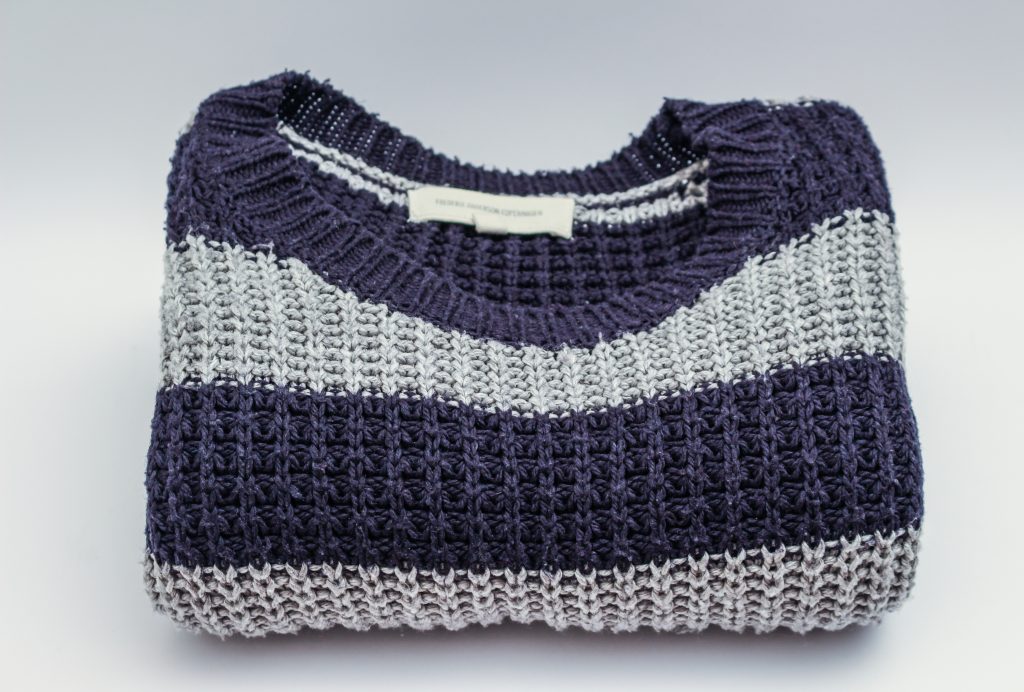
    Another annoying aspect of the Irish weather are the chilly temperatures, even during the summer month. Although July is the hottest month, the average temperature is 15°C or 60°F, according to google. You better pack at least one cozy sweater or hoodie to layer when outdoors. If you can’t spare any space in your luggage (cozy sweaters can be pretty bulky), just bring it/wear it on the plane.

    Benefits of the chilly climate are the gigantic variety of real sheep wool sweaters offered in pretty much any clothing store in Ireland.

    Scarf

    One of the most versatile items to bring on any trip is a scarf. You probably already heard of its many possible usages, the most obvious being, you guessed it, as a scarf.

    The right scarf can also double as a blanket. Maybe the number of comforters and throw blankets at your B&B are still not keeping you warm or the plane is freezing. Some scarfs even have the size of a blanket.

    Furthermore, some like to use scarfs as headwraps, skirts, dresses or as an emergency towl. Be creative!

    Comfortable shoes with sturdy profile

    Whether you plan on hiking or just walking around Dublin or Galway, the right pair of shoes is key. Even if sneakers usually aren’t your thing, you might want to consider making an exception. Not only will you be much more comfortable in sturdy shoes when walking for longer periods of time, you also will be much safer. Old cities have old alleys with slippery stone walkways and most hiking trails lead over slippery rock and muddy paths. I suffered my fair share of tiny cuts and ungraceful falls, because I thought hiking in ballerina flats was a good idea. So be smart: Wear sneakers, running shoes or hiking boots. And please don’t forget to bring blister patches! You can thank me later ;).

    Hiking or Workout Pants

    I would recommend bringing at least one pair of hiking or just thick workout pants. Even if you don’t plan on exercising or hiking. Most sightseeing points in Ireland are not kind to fancy clothes, so you might as well rock a sporty-chic look. I bet you own at least one cute pair of workout tights that you can dress up.

    Layering

    You probably already heard of the layering method to prepare for weather you can’t prepare for. Maybe it already seemed obvious to you, if not, Ireland might be a great opportunity to try it. You don’t want to freeze to death when outside, nor do you want to drown in sweat whilst sitting in a cute pub, do you? I prepared two pinterest boards with inspiration for you: “In love with Ireland” and “Outfit Inspiration for Ireland travel”

    Some more beautiful pictures of Ireland:

    Are you traveling to Ireland soon? Did I miss an essential? Let me know in the comments what you think!


    Photo Credit: All clothing pictures are from pexels

    All Ireland photos are mine.